Top 5 Abandoned Places in Oxford – Urbex & Derelict Buildings
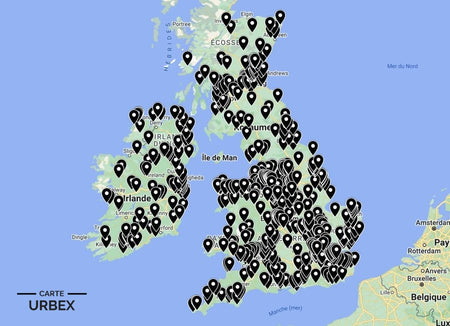
Oxford is one of England's most perfectly maintained cities — the university spires, the Bodleian and the Radcliffe Camera create a built environment of extraordinary care and prestige. But beyond the dreaming spires lies a very different Oxford: the Victorian lunatic asylum that treated the city's most vulnerable citizens, the WWII military camps of the surrounding Chilterns and the Cowley motor industry that gave working-class Oxford its identity for seventy years. Here are 5 of the best abandoned places in Oxford, selected from our Abandoned Places Map UK — 640+ GPS locations across England, Scotland, Wales and Ireland.
Why Oxford Is a Hidden Gem for Urban Exploration
Oxford's urbex landscape exists in sharp contrast to the university's obsessive maintenance of its built heritage — the asylum campus, the wartime military infrastructure and the post-war industrial estates of Cowley create an abandoned landscape that most Oxford visitors never encounter. The Oxfordshire countryside beyond the ring road adds WWII airfield remnants and country house dereliction to a city whose urbex geography is defined by the contrast between academic preservation and industrial neglect.
1. Littlemore Hospital – Littlemore, Oxford — 1846 Oxfordshire County Pauper Lunatic Asylum, John Radcliffe-Funded Campus, Sections in Dereliction, South Oxford (Known Location)
Littlemore Hospital in south Oxford opened in 1846 as the Oxfordshire County Pauper Lunatic Asylum — the first purpose-built psychiatric institution in Oxfordshire, funded partly by the Radcliffe Trustees and built in an Italianate style on the south Oxford farmland. Sections of the original Victorian campus remain in various states of atmospheric dereliction as the site has been progressively developed. The combination of the architectural quality, the extraordinary history — it was one of the first asylums in England to use the moral treatment approach — and the south Oxford setting make Littlemore one of the most historically significant abandoned institutional sites in the Thames Valley.
🔗 Learn more: Wikipedia – Littlemore Hospital Oxford
2. Checkendon Polish Camp – Checkendon, Oxfordshire — Former RAF Woodcote WWII Base, Polish Forces Resettlement Camp 1947, Derelict Huts and Infrastructure in Chilterns Woodland (Known Location)
The Checkendon Polish Camp in the Chilterns near Oxford is almost all that remains of the former RAF Woodcote — a WWII base that became a resettlement camp for displaced Polish soldiers in 1947 who could not return to Communist-controlled Poland. The derelict Nissen huts, the camp chapel and the administrative buildings of a community of Polish veterans who built a life in the Oxfordshire woodland are now overgrown and decaying. Documented on 28DaysLater as one of the most historically poignant and most atmospherically distinctive abandoned military sites in Oxfordshire.
🔗 Also read: Top 5 Abandoned Places in England →

3. Pressed Steel Fisher – Cowley, Oxford — 1926-1980s Motor Industry Body Plant, Derelict Factory Buildings, Cowley Industrial Corridor, Documented on discover.re Oxfordshire (Known Location)
The Pressed Steel Fisher plant at Cowley was the body-pressing facility for Morris and later British Leyland vehicles — established in 1926 alongside the Morris Motors assembly plant, employing up to 8,000 Cowley workers at its peak pressing body panels for the Mini, the Morris Minor and the full British Leyland range. Progressive rationalisation left derelict factory buildings across the Cowley industrial corridor. Documented by the Oxfordshire urbex community on discover.re as significant mid-20th-century industrial heritage in a city where the university has defined the preservation agenda for centuries.
🔗 Learn more: discover.re – Oxfordshire Urbex
4. Oxfordshire Georgian Country House – 18th-Century Mansion, Grand Staircase and Library Intact, Stable Block and Walled Garden, Thames Valley (Exclusively on Our Map)
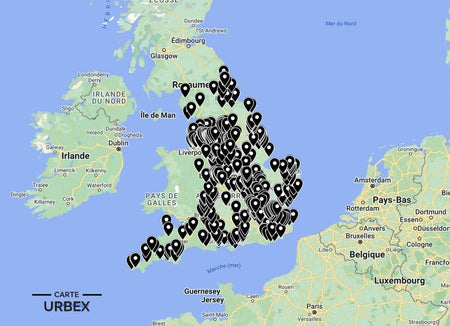
An 18th-century country house in the Oxfordshire Thames Valley — the original grand staircase still intact, the library with period shelving and the servants' wing. The stable block and walled kitchen garden still stand in the overgrown grounds. Oxfordshire's landed families built extensively along the Thames; post-war death duties emptied several estates within a decade. GPS coordinates available with our England Urbex Map.
5. Oxfordshire WWII Airfield – 1940s Bomber or Fighter Station, Control Tower and Dispersal Pans, Chiltern or Thames Valley Setting (Only on Our Map)
A 1940s operational RAF station in the Oxfordshire countryside — the original control tower still standing above the surrounding farmland, dispersal hardstandings where aircraft were parked and Nissen hut accommodation blocks scattered across the former technical site. Oxfordshire's flat Thames Valley and Chiltern farmland was ideal for wartime airfield construction; several stations were built within thirty miles of Oxford. Find it on our map — with access rating and condition report.
❓ FAQ
What is the most famous abandoned place in Oxford?
Littlemore Hospital — Oxford's 1846 Oxfordshire County Pauper Lunatic Asylum built in Italianate style with Radcliffe funding, one of the first asylums in England to use moral treatment. Sections remain in atmospheric dereliction as the site has been progressively developed.
What was the Checkendon Polish Camp?
A WWII RAF base that became a resettlement camp for Polish soldiers who fought with the Allies but could not return to Communist-controlled Poland after 1945. The derelict Nissen huts, chapel and administrative buildings of the Polish community's Chilterns settlement are now overgrown in atmospheric woodland abandonment.
Did Oxford have a significant motor industry?
Cowley in east Oxford was one of Britain's most important motor manufacturing centres — Morris Motors established there in 1913, and the Pressed Steel Fisher body plant employed up to 8,000 workers pressing bodies for the Morris Minor, Mini and full British Leyland range. The Cowley industrial corridor's derelict motor industry heritage is largely unknown to visitors who see only the university city.
Safety Tips
- Asbestos: endemic in pre-1980 Oxford industrial and hospital buildings — FFP2 mask mandatory in any enclosed space
- Woodland camps: Checkendon Camp's Nissen hut structures have been exposed to Chiltern weather for decades — always assess roof condition before entering any covered section
- Never explore alone — always bring at least one other person
The urbex code: "Respect the decay. It tells the story."
🎯 Summary
Oxford's abandoned places range from an 1846 Italianate asylum that tried to treat patients with dignity to a Polish soldiers' resettlement camp in the Chilterns where veterans who couldn't go home built a community in Nissen huts. Each of these 5 derelict buildings in Oxford captures a different layer of a city where the university preserves everything and the rest decays quietly behind it.

Abandoned Places Map England
- ✓ 400+ GPS locations across England
- ✓ Exclusive locations not found anywhere else
- ✓ Instant access after purchase
- ✓ Free updates forever
14,99€
Explore All Locations →