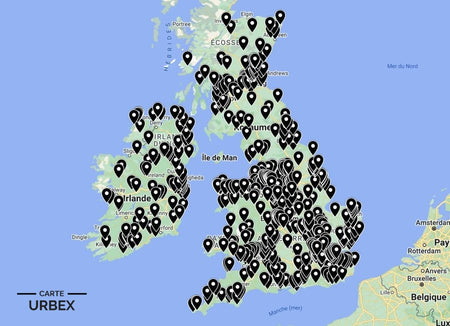
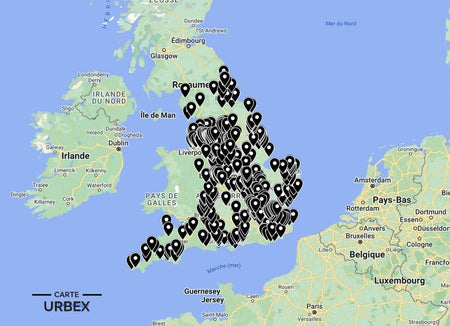
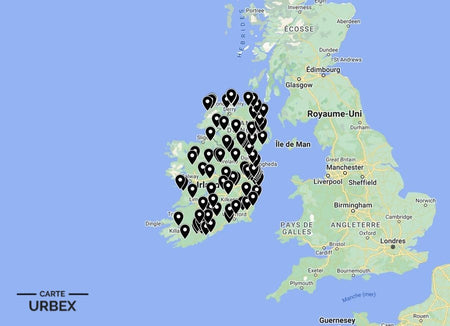
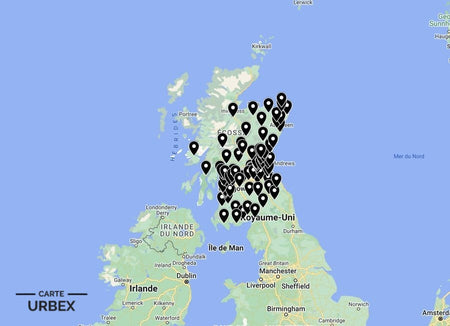
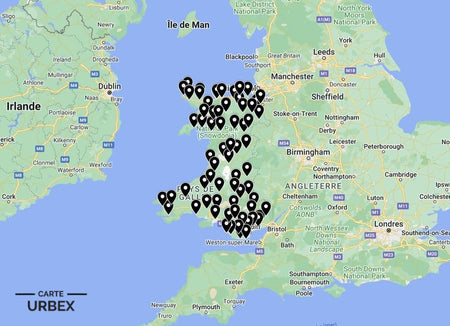
Britannia viktoriánus kórházhálózata volt a történelem legambiciózusabb közegészségügyi infrastruktúra programja — általános betegellátók, lázas kórházak, tüdőszanatóriumok, falusi kórházak és szakintézmények, amelyek vöröstégla osztályépítészete meghatározta minden brit város városképét az 1860-as évektől az 1960-as évekig. Az NHS átszervezése, PFI-finanszírozású szuperkórházak és a szolgáltatások fokozatos összevonása az 1980-as évektől kezdve kiürítette a viktoriánus létesítményeket, így Angliában, Skóciában, Walesben és Írországban rendkívüli koncentrációban maradtak elhagyatott kórházak. Ezek a leghangulatosabbak, válogatva a Elhagyatott Helyek Térkép UK gyűjteményünkből — 640+ GPS helyszín.
🏴 Anglia – Viktoriánus osztályok és hidegháborús folyosók
Anglia elhagyatott kórházi tájai az NHS egy évszázados átszervezését tükrözik — viktoriánus általános kórházak, amelyeket kiürítettek, amikor osztályaikat elavultnak nyilvánították, antibiotikumok miatt feleslegessé vált tüdőszanatóriumok, és a háború utáni pszichiátriai kórházak, amelyeket az intézményesítés megszüntetése miatt zártak be. A megmaradt elhagyatott példák teljes intézményi orvosi hangulatot hordoznak a viktoriánus kor legjavából.
Newsham Park Kórház — Liverpool, Merseyside
Liverpool legismertebb urbex célpontja — egy viktoriánus kúria, amelyet kórházzá alakítottak át, és amelynek grandiózus lépcsőháza, díszes stukkó mennyezeti rózsái és korabeli belső terei évtizedek intézményi ráépítései alatt is megőrizték hangulatos romlásukat. Az eredeti otthoni nagyszerűség, a kórházzá alakítás története és mindkét építészeti réteg fokozatos pusztulása egy szokatlanul összetett és hangulatos belső teret hoz létre. A Derelict Places oldalán részletesen dokumentálták, mint az egyik legteljesebb viktoriánus belső tér, amely Angliában romlásban maradt.
🔗 Forrás: Derelict Places – Newsham Park Kórház Liverpool
Royal Victoria Kórház — Netley, Hampshire
Britannia valaha épített legnagyobb katonai kórháza — egy negyed mérföld hosszú viktoriánus katonai kórház a Southampton vízpartján, melyet 1856-ban Viktória királynő nyitott meg, hogy fogadja a krími háború és az azt követő brit katonai hadjáratok áldozatait. 1966-ban lebontották, kivéve a kápolnát, amely még mindig magányosan áll a Southampton vízpartja feletti erdőben. Az egyik leglenyűgözőbb viktoriánus intézményi építészet Angliában; a kápolna romjai és a lebontott kórtermek hatalmas alaprajza rendkívüli méretű kísérteties építészetet alkot.
🔗 Forrás: Historic England – Royal Victoria Hospital Chapel Netley
St Crispin's Kórház — Northampton
Az 1876-os Northamptonshire Megyei Szegény Elmegyógyintézet — egy teljes viktoriánus pszichiátriai kampusz, amelynek olaszos víztornya Northampton városképének meghatározó jelképe. A víztorony, az eredeti osztályépületek és a díszes adminisztratív épület légköre romlásban a Northampton szélén az egyik legambiciózusabb és leglátványosabb elhagyatott kórházi kampuszt alkotja az East Midlands régióban. Az olasz reneszánsz víztorony önmagában is megérné a St Crispin's meglátogatását.
🔗 Olvassa el még: Anglia 5 legelhagyatottabb helye →

🏴 Skócia – Kolónia Kórházak és Highland Intézmények
Bangour Village Kórház — Dechmont, West Lothian
Skócia egyik legambiciózusabb és leglégkörebb elhagyatott kórháza — egy 1906-os kolónia-tervű pszichiátriai intézmény, amely önálló faluként épült saját templommal, boltokkal, gazdaságokkal és házakkal, melyek egy tervezett tájban szóródtak szét Edinburgh nyugati részén. A kolónia-terv célja egy terápiás közösség létrehozása volt, nem pedig egy intézmény — ez egy szokatlan változatosságú és különleges légkörű elhagyatott kampuszt eredményezett: egy egészségügyi kísértetfalut, amelyet a Buildings at Risk Register Skóciában az ország egyik legjelentősebb veszélyeztetett intézményi helyszíneként dokumentál.
🔗 Forrás: Buildings at Risk Register – Bangour Village Hospital
Craig Dunain Kórház — Inverness, Highland
Az 1864-es Northern Counties District Lunatic Asylum Inverness fölötti dombon — több mint 130 éven át szolgálta a Highland pszichiátriai lakosságát, viktoriánus kampusza a Moray Firthre és a Black Isle-ra néz. Skócia legdrámaibb helyen fekvő elhagyatott kórháza; a Moray Firth panoráma a felső osztály ablakából olyan élményt nyújt Craig Dunain-nak, amit egyetlen Lowland kórház sem tud utánozni.
🔗 Olvassa el még: Skócia 5 legelhagyatottabb helye →
🏴 Wales – Völgyi Betegellátók és Elmegyógyintézeti Tornyok
Észak-walesi Kórház — Denbigh, Észak-Wales
Az egyik legdrámaibb és legkonszisztensebben dokumentált elhagyatott kórház Nagy-Britanniában — az 1848-as Észak-walesi Megyei Szegény Elmegyógyintézet a Denbigh domboldalán, amelynek gótikus tornya és osztályépületei 1995-ös bezárása óta hangulatos romlásban állnak. A dombtetőn álló gótikus építészet, a panorámás Clwyd-völgyi kilátás és a dokumentált betegellátási történelem együtt teszik Denbigh-et Wales legfotózottabb és leginkább tárgyalt elhagyatott kórházává. Több száz különálló látogatás során dokumentálta a 28DaysLater két évtized alatt.
🔗 Forrás: 28DaysLater – Észak-walesi Denbigh Kórház Jelentések
Sully Kórház — Sully, Glamorgan-völgy
Egy 1930-as évekbeli tuberkulózis-szanatórium a Bristol-csatorna partján — modernista pavilonépületei, melyeket a tenger levegőjének és a napfénynek a maximális hasznosítására terveztek a TBC-s betegek számára, most hangulatos romlásban állnak a csatorna felett. A pavilon-épülettípus — hosszú, alacsony, délre néző osztályok teljes hosszúságú ablakokkal és nyitott erkélyekkel — az interháborús TBC-szanatóriumok meghatározó kórházi építészetét jelentette; Sully az egyik kevés fennmaradt példa Walesben, amelyet a Coflein jelentős modernista egészségügyi örökségként dokumentált.
🔗 Olvassa el még: Wales 5 legjobb elhagyatott helye →
🇮🇪 Írország – Elmegyógyintézetek, Lázkórházak és Munkaház Betegellátók
St Brigid Kórház — Ballinasloe, Galway megye
Írország legkülönlegesebb elhagyatott pszichiátriai intézménye — az 1830-as Connacht Kerületi Elmegyógyintézet, amelynek katonai X-alakú terve, börtönszerű falai és több mint 2000 fős csúcslakossága egyedivé teszik az ír elhagyatott kórházak között. A szomszédos temető, ahol több ezer beteget jelöletlen sírokban temettek el, valamint a kórház fokozatos pusztulása a bezárás óta érzelmi súlyt ad az ír egészségügyi örökségben. Az Abandoned World Photography dokumentálta Írország leghangulatosabb elhagyatott kórházaként.
🔗 Olvassa el még: Írország 5 legjobb elhagyatott helye →
❓ GYIK – Elhagyatott kórházak az Egyesült Királyságban
Miért zárt be olyan sok brit kórház?
Az NHS átszervezése, a PFI által finanszírozott szuperkórházak építése és a szolgáltatások egyetlen nagy helyszínre történő fokozatos összevonása az 1980-as évektől kezdve kiürítette a viktoriánus kórházhálózatot. A viktoriánus osztály — hosszú, keskeny, magas mennyezetű, nagy ablakokkal a természetes szellőzéshez — a 20. századi kórházvezetés által hatékonynak nem ítélték; az ezt megtestesítő épületeket fokozatosan felváltották az alacsonyabb üzemeltetési költségű, modern klinikai munkafolyamatokhoz igazodó, célszerűen épített létesítmények.
Mi az a kolónia kórház?
A kolónia kórház — mint például a West Lothian-i Bangour Village — egy pszichiátriai intézmény volt, amelyet önálló falusi közösségként terveztek, nem pedig hagyományos intézményi kampuszként. Az 1890-es évektől fejlesztett kolónia modell a nagy egybefüggő elmegyógyintézetet szórt kunyhókra, műhelyekre, gazdaságokra és egy falusi templomra cserélte, létrehozva egy terápiás tájat, amely a normális közösségi életet kívánta utánozni. Bangour a brit kolónia modell egyik legszebb fennmaradt példája.
Mi tette különlegessé a viktoriánus kórházépítészetet?
A Nightingale osztály — egy hosszú, keskeny, magas mennyezetű szoba ágyakkal mindkét oldalon és nagy ablakokkal a kereszt-szellőzéshez — volt a viktoriánus kórház meghatározó épületelem. Florence Nightingale meggyőződése, hogy a betegségek a rossz levegő („miasma”) útján terjednek, vezérelte a tervezést: maximális szellőzés, minimális szobamélység, magas mennyezetek. Az építészet tévedett a mechanizmusban, de helyes volt az eredményben — a jól szellőztetett osztályok valóban csökkentették a fertőzési arányokat. Ezek az épületek ma Anglia legkarakteresebb, elhagyatott egészségügyi örökségi darabjai.
Biztonság – Elhagyatott kórházak az Egyesült Királyságban
- Azbeszt: mindenütt jelen van az 1980 előtti NHS épületekben — FFP2 maszk viselése kötelező minden zárt kórházi térben, kivétel nélkül
- Orvosi hulladék: néhány elhagyatott kórházban éles eszközök, vegyi tartályok és biológiai veszélyes anyagok maradhatnak — soha ne érintsen meg semmilyen orvosi felszerelést vagy tartályt
- Padló állapota: a viktoriánus kórházak padlói alulról pusztulnak — minden padlót alaposan teszteljen, és kerülje a szoba közepét, ha a tető sérült
- Soha ne fedezzen fel egyedül
Az urbex szabálya: „Tiszteld a pusztulást. Az meséli el a történetet.”
🎯 Összefoglaló – A legjobb elhagyatott kórházak az Egyesült Királyságban
A Newsham Park grandiózus lépcsőházától Bangour kísértetfaluján át a Denbigh gótikus tornyáig a Clwyd-völgy felett, az Egyesült Királyság elhagyatott kórházai egy évszázad egészségügyi ambícióját ölelik fel, melynek építészeti öröksége túlélte az azt létrehozó orvosi filozófiát. Ennek az útmutatónak minden helyszíne GPS-koordinátákkal van ellátva az Egyesült Királyság gyűjteményében.

Elhagyatott helyek térképe az Egyesült Királyságban
- ✓ Több mint 640 GPS-helyszín — Anglia, Skócia, Wales és Írország
- ✓ Elhagyatott kórházak, elmegyógyintézetek, katonai létesítmények és még sok más
- ✓ Azonnali hozzáférés vásárlás után
- ✓ Örökös ingyenes frissítések
19,99€
Fedezze fel mind a 640+ helyszínt →