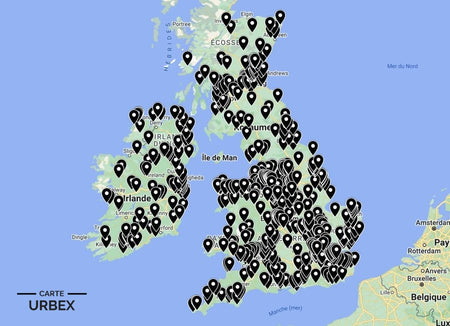
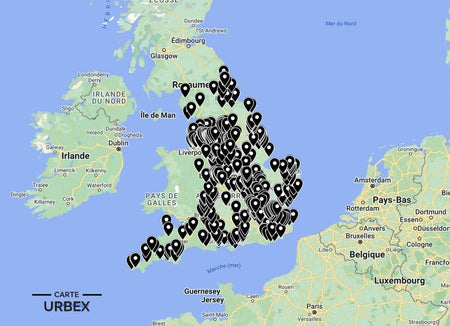
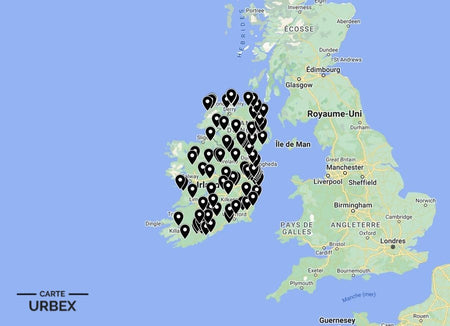
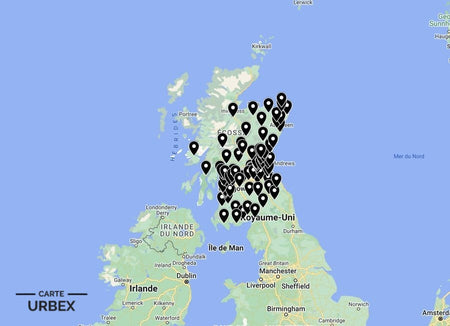
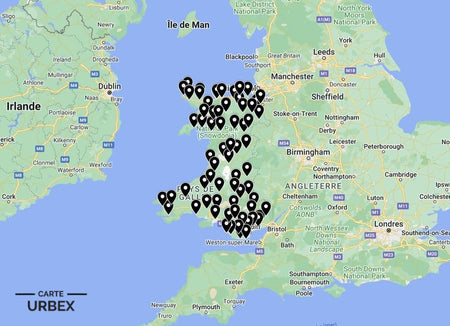
Великобритания изобрела железную дорогу — и Великобритания забросила больше железнодорожной инфраструктуры, чем любая другая страна в мире. Сокращения Бичинга 1963-1965 годов закрыли 5 000 миль путей и 2 000 станций за три года; викторианская железнодорожная мания 1840-х годов была настолько амбициозной, что через целые горные хребты прорезали туннели для линий, которые так и не оправдали инженерного героизма, необходимого для их строительства. В результате получился необычайный заброшенный железнодорожный ландшафт — от самого длинного неиспользуемого туннеля в Англии до заросших платформ станций в Шотландских Высотах. Это лучшие заброшенные железные дороги Великобритании, отобранные из нашей карты заброшенных мест Великобритании — более 640 GPS-локаций.
🏴 Англия — сокращения Бичинга и викторианская чрезмерная амбициозность
Туннель Куинсбери — Западный Йоркшир
Самый длинный неиспользуемый железнодорожный туннель в Англии — проход длиной 2 501 ярд, прорезанный через вересковые пустоши Западного Йоркшира в составе системы треугольника Куинсбери Великой Северной железной дороги, закрыт в 1950-х годах и с тех пор обсуждается возможность его переоборудования в велосипедный туннель. Документирован на 28DaysLater в нескольких обзорах, включая подробный отчёт 2026 года; качество викторианской кирпичной кладки, характерная дренажная система туннеля и необычайная атмосфера 2 501 ярда запечатанного викторианского туннеля делают Куинсбери определяющим опытом урбекс-исследования английских железных дорог.
🔗 Источник: 28DaysLater – отчёты о туннеле Куинсбери в Йоркшире
Туннель Вудхед — Пик-Дистрикт, граница Дербишира и Йоркшира
Три последовательных железнодорожных туннеля, прорезанных через Пеннинский хребет в Вудхеде в период с 1845 по 1954 год — оригинальный туннель 1845 года (построенный ценой жизни 32 рабочих) находится рядом с его электрифицированной заменой 1954 года, оба сейчас закрыты и разрушаются в ландшафте Пик-Дистрикта. Комплекс туннелей Вудхед отражает огромную человеческую цену викторианских железнодорожных амбиций и столь же значительные потери инвестиций в модернизацию 1950-х годов; заброшенный туннель 1954 года — один из самых недавно построенных и самых дорогостоящих заброшенных объектов железнодорожной инфраструктуры в Англии. Включён в список Historic England.
🔗 Источник: Historic England – Запись о тоннеле Вудхед
Железнодорожная станция Коннистон — Коннистон, Камбрия
Конечная станция ветки Furness Railway в Коннистоне — закрыта по решению Бичинга в 1958 году, оригинальное викторианское здание станции и платформа сохранились в атмосферном запустении над озером Коннистон в Озерном крае. Расположение в Озерном крае, викторианская архитектура Furness Railway и меланхоличная полнота станции, которая обслуживала деревню 90 лет до закрытия по решению Бичинга, создают одну из самых атмосферных станций, закрытых по Бичингу, на севере Англии.
🔗 Также читайте: Топ 5 заброшенных мест в Англии →

🏴 Шотландия – Хайлендские линии и пограничные виадуки
Тоннель Хиллхед — Эдлингем, Нортумберленд/Шотландская граница
Железнодорожный тоннель 1880-х годов на заброшенной линии Олнвик — Корнхилл в северном Нортумберленде — построен для обхода крутого уклона, сейчас запечатан и разрушается в сельском пейзаже Нортумберленда. Документирован на 28DaysLater как один из самых атмосферных и самых удаленных заброшенных железнодорожных тоннелей, доступных с шотландской границы — расположение на нортумберлендских вересковых пустошах и полнота сохранившейся инфраструктуры тоннеля создают опыт заброшенной железной дороги с необычной изоляцией и необычной атмосферой.
🔗 Источник: 28DaysLater – Отчет о тоннеле Хиллхед, Нортумберленд
Виадук Caledonian Railway — Данблейн, Стерлингшир
Викторианский каменный арочный железнодорожный виадук в долине Аллан-Уотер над Данблейном — выведен из эксплуатации в ходе постепенной оптимизации сети Caledonian Railway, каменная арочная конструкция стоит в атмосферном запустении над дном долины. Викторианское инженерное качество, пейзаж Стерлингшира и драматичная видимость арок виадука с долины делают это одним из самых визуально впечатляющих заброшенных объектов викторианской железнодорожной инфраструктуры в центральной Шотландии. Включено в список British Listed Buildings Scotland.
🔗 Также читайте: Топ 5 заброшенных мест в Шотландии →
🏴 Уэльс – Долинные линии и горные тоннели
Тоннель Ронда — Блэнгвинфи, Южный Уэльс
Туннель длиной 3 443 ярда, прорезанный через гору между долинами Ронда и Афан в 1890 году — один из самых длинных железнодорожных туннелей в Уэльсе, закрыт в 1968 году и сейчас является объектом активной общественной кампании по преобразованию в велосипедный и пешеходный маршрут. Задокументировано на Coflein как значимое промышленное транспортное наследие Южного Уэльса; сочетание необычайной длины туннеля, истории угольного сообщества, которое он обслуживал, и продолжающейся кампании по возрождению делают туннель Ронда одним из самых обсуждаемых и атмосферно насыщенных объектов заброшенной железнодорожной инфраструктуры в Уэльсе.
🔗 Источник: Coflein – Rhondda Tunnel Welsh Historic Environment
Железная дорога Клайн Вэлли — Суонси, Западный Гламорган
Викторианская промышленная железная дорога через долину Клайн к западу от Суонси — обслуживавшая угольные шахты и кирпичные заводы долины до закрытия в 1960-х годах, заросшее русло путей, опоры мостов и остатки платформ теперь образуют один из самых атмосферных участков парка Клайн Вэлли. Задокументировано на Coflein как значимое промышленное транспортное наследие Суонси, чье лесное окружение долины создает необычайно красивый заброшенный железнодорожный ландшафт.
🔗 Также читайте: Топ-5 заброшенных мест в Уэльсе →
🇮🇪 Ирландия – Great Southern Railways и линии эпохи голода
Виадук Кахир — Кахир, графство Типперэри
Викторианский железнодорожный виадук на неиспользуемой линии Клонмел — Терлс, чьи каменные арки пересекают реку Суир в тени замка Кахир, в одном из самых драматично атмосферных заброшенных железнодорожных мест в Ирландии. Сочетание средневекового замка сверху, викторианского виадука снизу и прозрачной воды Суира между ними создает многослойный наследственный ландшафт с необычайной визуальной силой. Задокументировано на discover.re как одно из самых доступных и атмосферных заброшенных викторианских железнодорожных наследий Ирландии.
🔗 Также читайте: Топ-5 заброшенных мест в Ирландии →
❓ Часто задаваемые вопросы – Заброшенные железные дороги в Великобритании
Что такое сокращения Бичинга?
Отчет Бичинга 1963 года — официально «Перестройка британских железных дорог» — рекомендовал закрыть 5 000 миль путей и 2 000 станций, которые считались убыточными. Между 1963 и 1970 годами большинство этих закрытий было реализовано, что привело к исчезновению ответвлений железных дорог из сотен сельских сообществ и оставило заброшенные здания станций, туннели, виадуки и насыпи, которые теперь формируют самый характерный сельский заброшенный ландшафт Великобритании.
Почему туннель Куинсбери знаменит?
Длина туннеля 2 501 ярд, это самый длинный заброшенный железнодорожный туннель в Англии — прорыт через вересковые пустоши Западного Йоркшира в рамках чрезвычайно амбициозной системы Queensbury Triangle Великой Северной железной дороги и закрыт в 1950-х, когда обслуживаемые им линии перестали быть экономически целесообразными. Туннель стал объектом кампании по его переоборудованию для велосипедистов и обширной документации 28DaysLater; это главное место для урбекс-исследований железных дорог Англии.
Что случилось с железными дорогами Ирландии?
К 1900 году в Ирландии была одна из самых плотных сетей узкоколейных железных дорог в Европе — построенная частично как работы по облегчению последствий голода в 1840-1850-х годах и частично как коммерческие предприятия, обслуживающие сельское хозяйство и туристическую экономику запада. Постепенное закрытие с 1930-х по 1970-е годы ликвидировало большую часть сети; Great Southern Railways поглотила и затем закрыла большинство линий. В результате по всей ирландской сельской местности сохранилось необычайное количество заброшенных виадуков, станций и входов в туннели.
Безопасность – Заброшенные железные дороги Великобритании
- Активные линии: всегда проверяйте, что железнодорожная инфраструктура, к которой вы подходите, действительно заброшена — некоторые линии, кажущиеся заброшенными, иногда используются для грузового движения. Никогда не ходите по путям без полной уверенности, что они закрыты
- Атмосфера туннелей: заброшенные туннели могут иметь плохое качество воздуха, нестабильную конструкцию и внезапные затопления — никогда не входите в туннель без освещения, напарника и знания выхода
- Края виадуков: заброшенные железнодорожные виадуки имеют незащищённые края — никогда не подходите к парапету виадука и держитесь подальше от краёв с признаками разрушения конструкции
- Никогда не исследуйте в одиночку
Код урбекса: «Оставь всё как нашёл — следующий исследователь заслуживает того же опыта.»
🎯 Итог – Лучшие заброшенные железные дороги в Великобритании
От самого длинного заброшенного туннеля в Англии в Куинсбери до виадука Каледониан над рекой Аллан и каменных арок Кахира под средневековым ирландским замком — заброшенные железные дороги Великобритании охватывают 180 лет инженерных амбиций и ошибок. Каждое место в этом путеводителе отмечено на GPS в нашей коллекции по Великобритании.

Карта заброшенных мест Великобритании
- ✓ Более 640 GPS-локаций — Англия, Шотландия, Уэльс и Ирландия
- ✓ Заброшенные железные дороги, туннели, виадуки и многое другое
- ✓ Мгновенный доступ после покупки
- ✓ Бесплатные обновления навсегда
19,99€
Исследуйте все 640+ локаций →