How do you find abandoned places in Denmark for urbex?
Introduction
Urban exploration – or urbex – is a growing hobby in Denmark. Many dream of exploring abandoned buildings, schools, factories, or bunkers, but the big question is: How do you find them? In this guide, we go through the most effective ways to find abandoned places in Denmark – from digital maps and social media to tips from locals.
Use digital tools
Google Maps and satellite images
One of the easiest methods is to zoom in on areas in Denmark via Google Maps. Look for:
-
Large buildings without cars in the parking lot.
-
Empty fields with old halls.
-
Areas where nature has taken over.
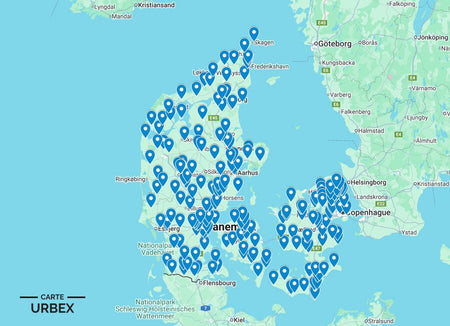
Many urbexers mark places they discover and visit them later.
Historical maps
On the internet, there are archives with old Danish maps. Compare old maps with today’s landscape, and you can discover buildings no longer in use.
Social media and urbex communities
Urbex groups on Facebook
There are several Danish urbex groups where people share pictures and experiences. Addresses are rarely shared publicly, but you can find inspiration and hints.
Instagram and hashtags
By searching hashtags like #urbexdenmark, #forladtesteder or #urbanexplorationdk You can find pictures revealing exciting locations.

Local knowledge
Ask the locals
Many small towns have old schools, factories, or farms that stand empty. Locals often know the stories and can give you hints.
Newspaper articles and news
Local media often write about closed factories, abandoned schools, or empty residential areas. These articles are good clues to new urbex spots.
Public sources
Building registers and demolition lists
Municipalities often publish lists of buildings scheduled for demolition. Before the bulldozers arrive, they can be perfect urbex targets.
Cold War bunkers and military facilities
Many bunkers along the West Coast and old barracks are open or well-known in the urbex community.
Urbex ethics and safety
When you find places, remember:
-
Never go alone.
-
Bring equipment like a flashlight, boots, and gloves.
-
Respect the principle: "Take only pictures, leave only footprints."
-
Do not share exact addresses publicly – this protects the places from vandalism.
FAQ
Is it legal to visit abandoned places in Denmark?
Usually no, as most are still private property.
How do I find places without breaking the law?
Focus on public places, military facilities, or buildings open to the public.
Why don’t urbexers share addresses?
To avoid vandalism and keep the places in good condition.
Conclusion
Finding abandoned places in Denmark requires patience and curiosity. With Google Maps, social media, local knowledge, and public sources, you can discover a hidden world. But always remember to explore with respect – both for the law and for the history behind the empty walls.