How to Find Abandoned Places in Norway for Urbex?
Introduction
Urban exploration (urbex) is about discovering and documenting abandoned buildings and places. In Norway, there are many hidden gems: closed factories, old farms, empty schools, and military installations no longer in use. For many beginners, the biggest challenge is not the visit itself, but the question: how do you find these abandoned places?
In this article, you will get a thorough guide on how to discover urbex locations in Norway – using digital maps, networks, and fieldwork – always with safety and respect in focus.
Digital Tools and Maps
Google Maps and Street View
One of the most used methods among urbex enthusiasts is Google Maps. By zooming in on industrial areas or the countryside, you can see buildings with broken roofs, overgrown gardens, or parking lots without activity. Street View allows you to check more closely before you physically go there.
Historical Maps and Archives
Kartverket and local municipal archives provide access to old maps and building plans. By comparing old and new maps, you can find out which buildings have been vacant over time.
Urbex Maps and Apps
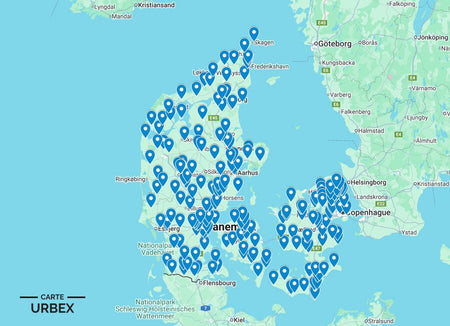
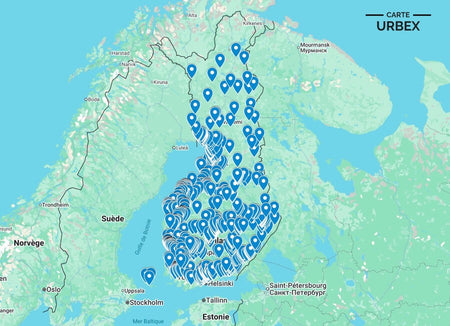
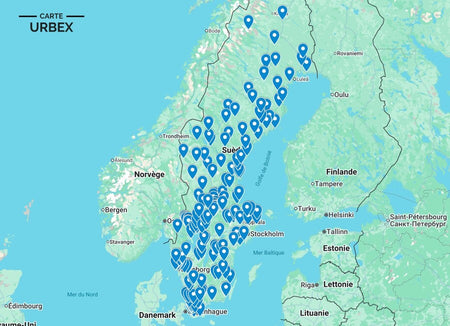
There are urbex maps online where users share their finds. Apps like Abandoned World – Urbex Map or urbex websites often show markers in Norway. Use these as inspiration, but remember that exact addresses are rarely publicly disclosed.

Networks, Forums, and Social Media
Urbex Forums and Groups
On Facebook, Reddit, and Discord, there are urbex groups where enthusiasts share experiences, photos, and hints about places. Addresses are usually not shared, but small details can provide clues to follow.
Instagram and Hashtags
By searching hashtags like #urbexnorge, #forlatt, or #urbanexploration, you find photos from Norwegian urbexers. Often you can see landscapes, signs, or features that reveal where the place is located.
Local Tips
Some of the best tips come from locals. Ask older residents about old factories, empty houses, or closed schools. Many know of buildings no longer in use but not listed in official records.
Fieldwork and Safety
Look for Signs of Decay
When driving in rural areas, look for buildings with broken windows, overgrown roads, and closed gates. These are often clear signs that the place is abandoned.
Respect Boundaries and the Law
Even if a building looks abandoned, it may still be private property. Urbex should not involve trespassing. Remember the rule: "Take only pictures, leave only footprints."
Documenting Without Revealing Addresses
Take photos, but do not publish exact addresses. This protects the place from vandalism and preserves it longer as an urbex target.
Frequently Asked Questions
Is it difficult to find abandoned places in Norway?
It requires some research, but with maps, networks, and observation, you can find many places.
Can you get permission from the owner to enter?
Yes, in some cases the owner can give permission, especially if you are doing photography.
Why don’t urbexers share addresses publicly?
To protect the places from vandalism and disrespectful visits.
Conclusion
Finding abandoned places in Norway requires patience, curiosity, and respect. By combining digital tools, urbex networks, and your own observations, you can discover unique places with exciting histories. Always remember safety and legality – urbex is about exploring and documenting, not destroying.