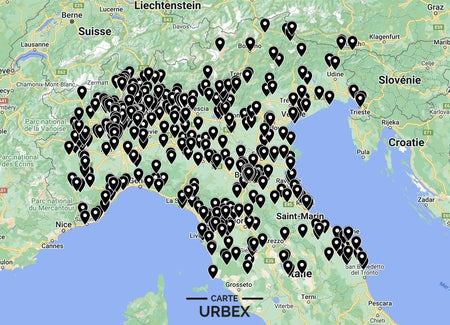
How to Find Abandoned Places Near Me in Italy
Finding abandoned places in Italy for urbex (urban exploration) can be a fascinating and history-rich experience. Italy is full of ancient villages, disused factories, abandoned villas, and even ruined castles. Here is a guide on how to find abandoned places near you in Italy safely and respectfully.
1. Join Urbex Communities and Italian Forums
There are several online communities and forums dedicated to urbex in Italy, where users share information about abandoned places, photos, and practical advice.
- Urban Exploration Forums: Forums like Urbex Italia or Vanished Italy host many discussions about abandoned places in Italy, with sections for different regions. Users share photos, stories, and tips on how to access these sites.
- Reddit: Subreddits like r/urbanexploration and r/Italia often feature discussions about abandoned places in Italy. Users share images, stories, and sometimes suggest interesting locations.
- Facebook Groups: Look for groups like "Urbex Italia" or "Esplorazioni Urbane Italia" on Facebook. These groups allow you to meet other Italian explorers, exchange information, and participate in organized events.
2. Use Satellite Maps and Mapping Tools
Tools like Google Maps and Google Earth are excellent for spotting potential abandoned places through satellite images. You can look for areas with isolated buildings or signs of decay and overgrown vegetation.
- Google Maps and Google Earth: Use satellite view to identify isolated buildings or uncultivated land. Switch to Street View if available to get a clearer image of the location.
- Bing Maps and OpenStreetMap: Sometimes other platforms like Bing Maps or OpenStreetMap have updated images or different details about certain areas, such as abandoned buildings reported by community users.
- Regional Maps: Some Italian regions offer detailed territorial maps. For example, the Portale Cartografico Nazionale or Geoportale Nazionale provide maps with details on rural and urban areas, useful for locating abandoned villages or buildings.

3. Consult Historical Archives and Cultural Heritage Sites
Many abandoned places in Italy have historical value and may be listed as cultural heritage. Historical archives and cultural heritage websites are great resources to discover abandoned or lesser-known sites.
- Superintendencies and Cultural Heritage Sites: The Ministry of Culture’s list of cultural assets includes historic buildings, many of which are closed or abandoned. You can find information on old villas, castles, and historic industrial structures.
- Cultural Asset Inventories: Some Italian regions maintain inventories of cultural assets where you can find sites of historical interest that might be partially accessible or abandoned.
- Industrial Heritage and Industrial Archaeology: Some Italian cities preserve old industrial plants or abandoned mining structures. Some of these sites are accessible or open to the public for visits, such as old textile factories in Biella or mines in Sardinia.
4. Check Local News and Municipal Records
Local news can reveal information about abandoned places, especially if they have become a safety issue or are awaiting redevelopment. Checking local news and property records can provide interesting leads.
- Local Newspapers and News Websites: Search for terms like “abandoned,” “dilapidated,” “closed,” or “in ruins” along with the name of your city or region. Local news often covers the history of disused buildings.
- Municipal Records: Some municipalities publish lists of properties in abandonment or disuse. Check municipal websites or inquire at the town hall, as this information is often publicly available.
5. Apps and Photography Sites for Urban Explorers
There are apps and websites where photographers and urban explorers share images of abandoned places, often including coordinates or location details.
- Abandoned Places Apps: Apps like Abandoned Places or Urbex People feature databases of abandoned places, many including locations in Italy. You can view photos and read comments from other users to find new inspiration.
- Instagram and Photography Apps: Search hashtags like #abandoneditaly, #urbexitalia, or #luoghiabbandonati to find photos from explorers who have visited these spots. Many photographers tag the location, allowing you to track the places.
6. Explore Ruins and Publicly Accessible Historic Sites
If you prefer exploring publicly accessible places, Italy is rich in ruins and historic sites that, while open, still retain an abandoned atmosphere.
- Archaeological Sites and Ruined Castles: Many Italian regions offer access to ruins of ancient towns, castles, and monasteries that maintain an abandoned charm. Places like the ruins of Canale Monterano in Lazio or the Castle of Roccascalegna in Abruzzo are open to visitors.
- Parks and Protected Areas: Some natural parks in Italy host old villages or remains of abandoned buildings, such as the Cilento and Vallo di Diano National Park, where there are old ruined villages.
- Abandoned Villages: Italy has many abandoned villages, especially in rural regions. Places like Craco in Basilicata or Bussana Vecchia in Liguria are popular among explorers and legally accessible.
7. Connect with Other Local Explorers
Connecting with other urban explorers is one of the best ways to discover new places. You can learn from more experienced explorers and get valuable information about lesser-known sites.
- Urbex Events and Meetups: Some urbex groups in Italy organize events or meetups to explore together. Participating in these events allows you to meet other enthusiasts and visit new places.
- Photography Clubs and Cultural Associations: Many cultural associations and photography clubs know local abandoned places. Joining a photography club or a historical association can give you access to useful information.
By following these tips, you can find and visit abandoned places in Italy safely and respectfully, experiencing the thrill of discovery without compromising your safety or that of the places visited. Happy exploring!