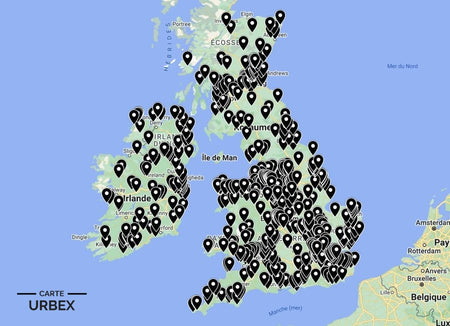
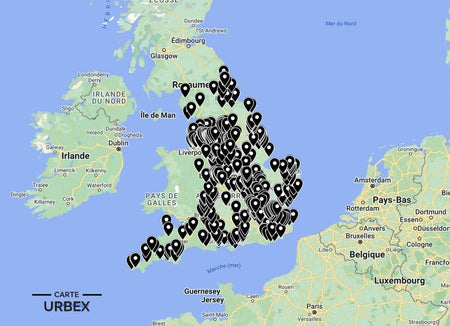
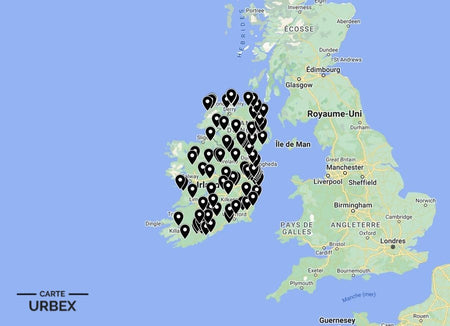
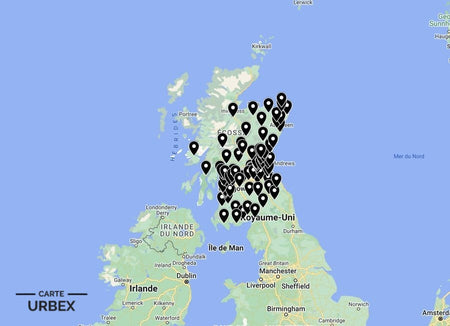
Cambridge is one of England's most polished cities — the university spires, the manicured colleges, and the Backs create a landscape of maintained perfection that leaves little room for dereliction. But beneath and beyond the academic facade lies a surprisingly rich abandoned landscape: a Victorian workhouse turned hospital campus decaying on the city fringe, a WWII airfield whose control tower still stands above the Cambridgeshire flatlands, and a tuberculosis village settlement that housed patients in the open air for decades. Here are 5 of the best abandoned places in Cambridge, selected from our Abandoned Places Map UK — 640+ GPS locations across England, Scotland, Wales, and Ireland.
Why Cambridge Is a Hidden Gem for Urban Exploration
Cambridge's urbex landscape is concentrated outside the university core — in the fenland farmland that surrounds the city on three sides. The flat Cambridgeshire landscape was prime WWII airfield territory; over thirty airfields were built within thirty miles of Cambridge between 1939 and 1945, and their control towers, dispersal pans, and technical site buildings are among the most consistently atmospheric abandoned military sites in England. The city's Victorian institutional heritage adds a second layer that most visitors never see.
1. Chesterton Hospital – Chesterton, Cambridge — 1838 Cambridge Union Workhouse, Converted Hospital Campus, Victorian Workhouse Buildings Still Standing, Progressive Dereliction (Known Location)
Chesterton Hospital in north Cambridge occupies a site that began in 1838 as the Cambridge Union Workhouse — a substantial Victorian institutional campus converted through the 20th century to hospital use before falling into progressive dereliction. The original Victorian workhouse buildings, the administrative block, and the chapel still stand on the Chesterton site in various states of atmospheric decay. One of the most historically layered and most architecturally significant abandoned institutional campuses accessible from Cambridge city centre.
🔗 Learn more: Wikipedia – Chesterton Hospital Cambridge
2. Duxford Aerodrome – Duxford, Cambridgeshire — 1917 WWI Airfield, WWII Fighter Station, Original Hangar and Technical Buildings, Now IWM Duxford with Derelict Sections (Known Location)
Duxford Aerodrome south of Cambridge is one of the oldest operational airfields in Britain — established in 1917 as a Royal Flying Corps station, serving as a WWII Spitfire and Hurricane fighter base during the Battle of Britain. Now home to the IWM Duxford museum, the airfield retains original WWI and WWII hangar and technical buildings; the derelict sections beyond the museum footprint represent some of the oldest surviving aviation infrastructure in England. The combination of the airfield heritage and the atmospheric decay of the non-museum buildings makes Duxford one of the most historically significant sites near Cambridge.
🔗 Also read: Top 5 Abandoned Places in England →

3. Papworth Village Settlement – Papworth Everard, Cambridgeshire — 1916 Tuberculosis Colony, Self-Sufficient Patient Village, Original Cottages and Workshop Buildings Still Standing (Known Location)
Papworth Village Settlement near Cambridge was established in 1916 as an extraordinary experiment in tuberculosis treatment — a self-sufficient colony where TB patients lived in purpose-built cottages and worked in light industries within the settlement, combining fresh air treatment with productive employment. The original patient cottages, the workshops, the settlement chapel, and the administrative buildings still stand at Papworth Everard, several in various states of abandonment as the settlement's function has changed over decades. Listed by Historic England as a nationally significant example of early 20th-century social medicine architecture.
🔗 Learn more: Historic England – Papworth Village Settlement
4. Cambridgeshire WWII Bomber Control Tower – 1940s Heavy Bomber Station, Tower and Nissen Huts Still Intact, Flat Fenland Setting, Former USAAF or RAF Base (Only on Our Map)
A 1940s heavy bomber control tower in the flat Cambridgeshire Fenland — the original two-storey watch office still standing above the surrounding fields, the dispersal hardstandings where Stirlings or Lancasters were parked, and Nissen hut accommodation blocks still scattered across the former technical site. Cambridgeshire had more WWII heavy bomber stations per square mile than any other English county. GPS coordinates available with our England Urbex Map.
5. Georgian Cambridgeshire Country House – 18th-Century Fenland Mansion, Grand Staircase and Library Intact, Stable Block and Walled Garden, Rural Cambridgeshire (Our Map Exclusive)
An 18th-century country house in the flat Cambridgeshire countryside — the original grand staircase still intact, the library with period shelving, and the servants' wing with its bells and call board. The stable block and walled kitchen garden still stand in the overgrown grounds. Fenland agriculture created a wealthy landowning class in the Georgian period; death duties and agricultural mechanisation emptied several of these estates after WWII. Included in our England collection — 400+ locations.
Safety Tips
- Fenland flooding: the flat Cambridgeshire landscape floods rapidly after rain — always check ground conditions before visiting any former airfield or low-lying site
- Asbestos: universal in pre-1980 Cambridgeshire institutional and airfield buildings — FFP2 mask mandatory in any enclosed space
- Never explore alone — always bring at least one other person
The urbex code: "Leave it as you found it — the next explorer deserves the same experience."
❓ FAQ
What is the most famous abandoned place in Cambridge?
Chesterton Hospital — a Victorian institutional campus that began as the 1838 Cambridge Union Workhouse, converted through the 20th century to hospital use and now in progressive dereliction on the north Cambridge fringe.
What was Papworth Village Settlement?
A 1916 tuberculosis treatment colony near Cambridge where patients lived in purpose-built cottages and worked in light industries within the settlement — one of the most innovative early 20th-century experiments in social medicine, listed by Historic England as nationally significant.
Why did Cambridgeshire have so many WWII airfields?
The flat Fenland landscape required minimal earthworks for runway construction, and the proximity to occupied Europe made Cambridgeshire ideal for bomber operations. Over thirty airfields were built within thirty miles of Cambridge between 1939 and 1945.
🎯 Summary
Cambridge's abandoned places range from an 1838 Victorian workhouse campus on the city fringe to a 1916 tuberculosis patient village listed by Historic England and WWII bomber control towers standing in the flat Cambridgeshire Fenland. Each of these 5 derelict buildings in Cambridge reveals the layers of history that exist beyond the famous college spires.

Abandoned Places Map England
- ✓ 400+ GPS locations across England
- ✓ Exclusive locations not found anywhere else
- ✓ Instant access after purchase
- ✓ Free updates forever
14,99€
Explore All Locations →